
Slot volatility is one of the most overlooked but crucial aspects of gameplay. It determines not just how often a player might win, but what kind of experience they’re stepping into.
What Volatility Measures
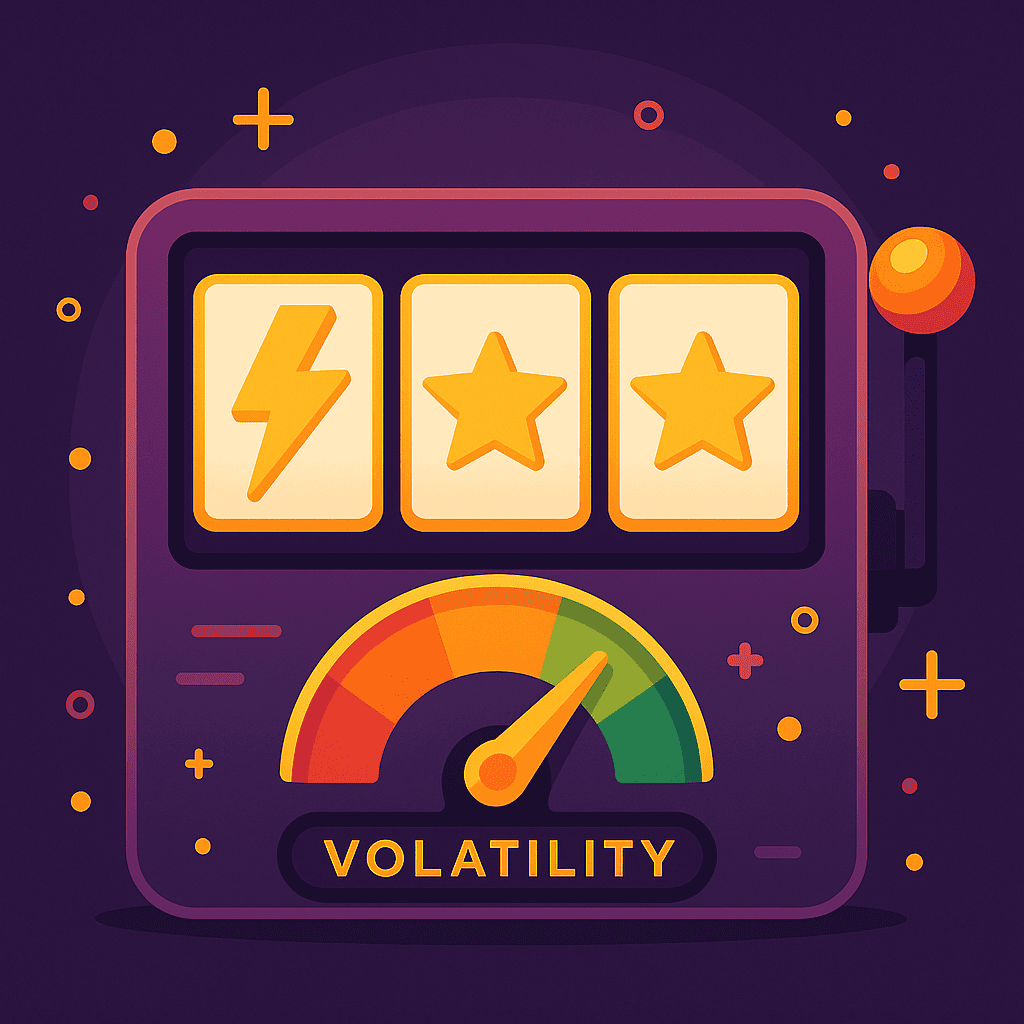
Volatility, also called variance, reflects the risk level of a slot game. It measures how frequently and how much a player can expect to win or lose. High volatility means fewer wins, but potentially larger payouts. Low volatility delivers more frequent wins, usually in smaller amounts.
Game developers calculate volatility through simulation. They run automated tests with millions of spins to see how the machine behaves over time. This helps categorize the slot into one of three levels: low, medium or high.
Why It Affects Gameplay
The volatility of a slot defines the rhythm of the game. Low-volatility slots are better for players with smaller bankrolls or those looking to stretch their session time. They offer steady returns and are less likely to produce long dry spells.
High-volatility slots appeal to players chasing big wins. These games often feature bonus rounds, jackpots or special features, but require patience. Dry streaks can last long, which is why a larger bankroll and discipline are essential.
Medium-volatility slots balance the two extremes, offering a mix of smaller wins with occasional bigger payouts. These are popular for casual players who want a dynamic yet manageable experience.
How Players Can Use Volatility
Volatility isn’t always visible on a slot’s splash screen. Some developers include this data, while others do not. Players can get a feel for volatility through trial play or by reading slot reviews.
Matching volatility with your budget and playstyle can lead to better outcomes. Risk-averse players may prefer low variance, while thrill-seekers might gravitate toward high-risk slots. Volatility also matters when choosing strategies, especially for bonus hunting or wagering requirements.
The Importance of Informed Choice

Understanding volatility helps set expectations. It prevents frustration when a high-volatility game doesn’t pay out for 100 spins or when a low-volatility game never hits a jackpot. Knowing the risk profile of a game turns guessing into informed decision-making.
Volatility is not a secret trick to beat the house. It’s a structural part of the game, designed to shape the payout curve. But when players factor it into their session planning, they gain more control over the experience and their bankroll.
Final Thoughts
A game’s theme, soundtrack, and features may grab attention, but volatility defines the pulse of play. Ignore it, and you’re flying blind. Respect it, and you play smarter.