Gambling addiction is often invisible at first. It develops slowly, reinforced by moments of elation and despair, until habits become compulsion. For many, the turning point comes not from a loss but from realizing control is gone.
Recognizing the Problem
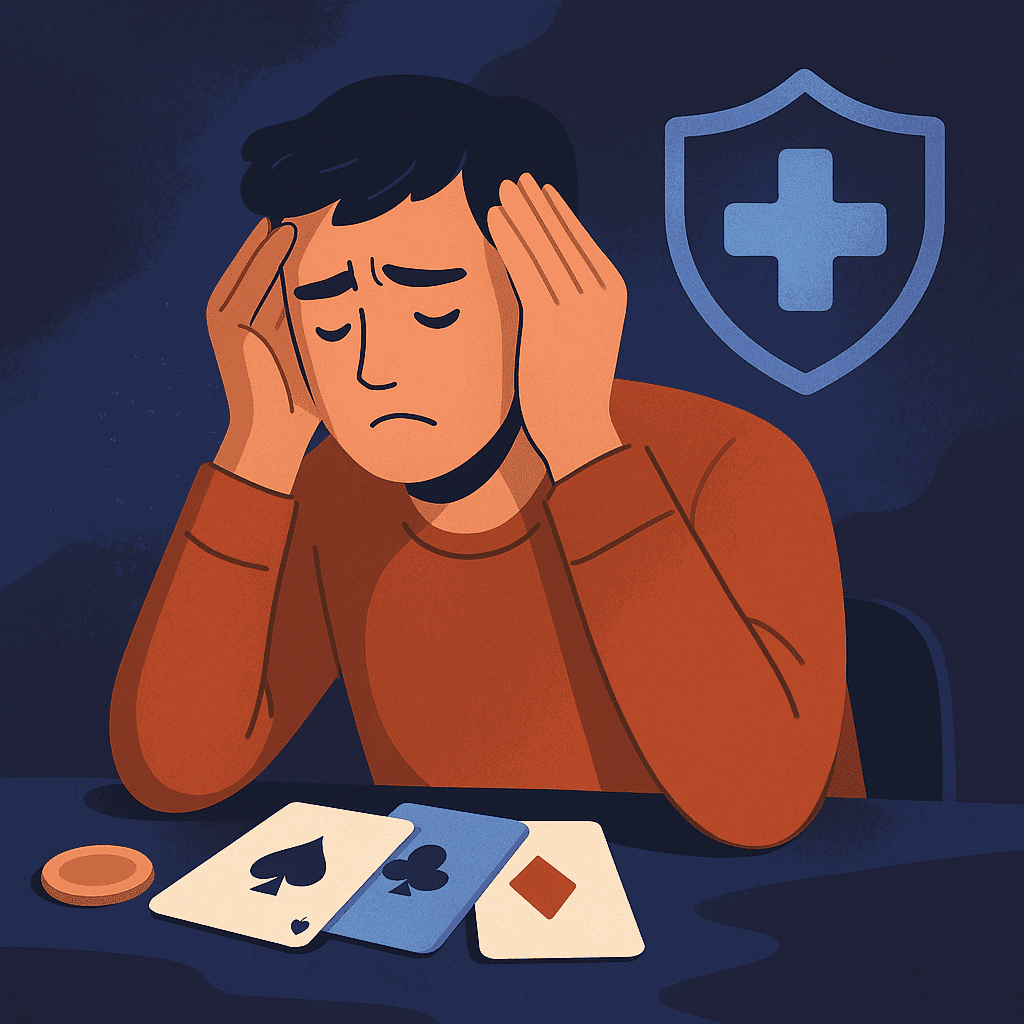
The first step is awareness. People with a gambling problem may continue to place bets even after financial losses, justify risky behavior, and hide their activity from loved ones. The compulsion to gamble is often linked to the desire to escape stress, anxiety or boredom.
Unlike substance addictions, gambling does not cause physical withdrawal. Instead, it traps players in a cycle of anticipation and emotional highs. This can make the addiction harder to detect, but no less damaging.
Clinical Approaches to Treatment
Psychotherapy is the most common and effective treatment method. Cognitive Behavioral Therapy (CBT) helps individuals identify harmful thought patterns and replace them with more constructive behaviors. It also focuses on managing triggers and building emotional regulation.
In some cases, especially when gambling is combined with anxiety or depression, medication may be used to stabilize mood or reduce impulse control issues. This is always administered under medical supervision.
Motivational interviewing is another method used to help patients understand their reasons for change and build long-term commitment to recovery. The approach encourages self-reflection rather than confrontation.
Support Systems and Group Therapy
Social support plays a critical role. Group therapy, such as meetings held by anonymous gambling support communities, provides a safe space to share experiences and stay accountable. Listening to others helps reduce shame and normalize the recovery process.
Family involvement also strengthens outcomes. Educating loved ones helps rebuild trust and reinforces the gambler’s commitment to recovery.
Digital tools are increasingly useful. There are apps that help block access to gambling sites, track moods and triggers, or connect users to emergency help lines.
Self-Help Strategies
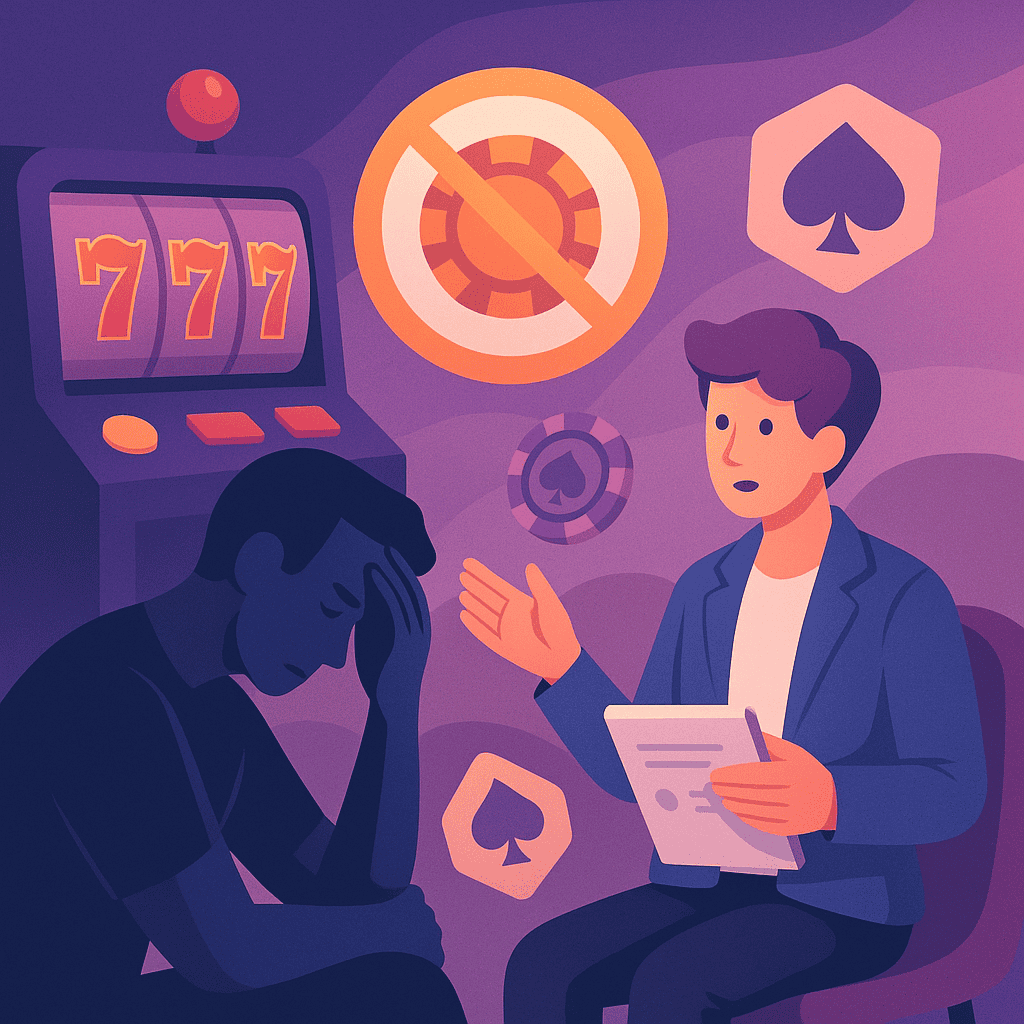
Self-exclusion programs allow players to voluntarily ban themselves from platforms. This simple act often becomes a first signal of change.
Establishing new routines, avoiding high-risk environments, and replacing gambling with healthier hobbies are practical first steps. Keeping a detailed diary of moods and impulses helps spot patterns and plan responses.
Importantly, progress is rarely linear. Relapses can occur. But with structure, support, and professional help, recovery is possible.
Final Thought
Gambling addiction affects more than just finances. It erodes self-trust, relationships and mental well-being. But with the right combination of therapy, support and self-regulation tools, people can regain control of their lives.