
The gambling industry is on the brink of a technological transition. With VR devices becoming more accessible and game developers pushing creative limits, the idea of walking through a virtual casino floor from your living room is no longer science fiction.
What Makes VR Casinos Different

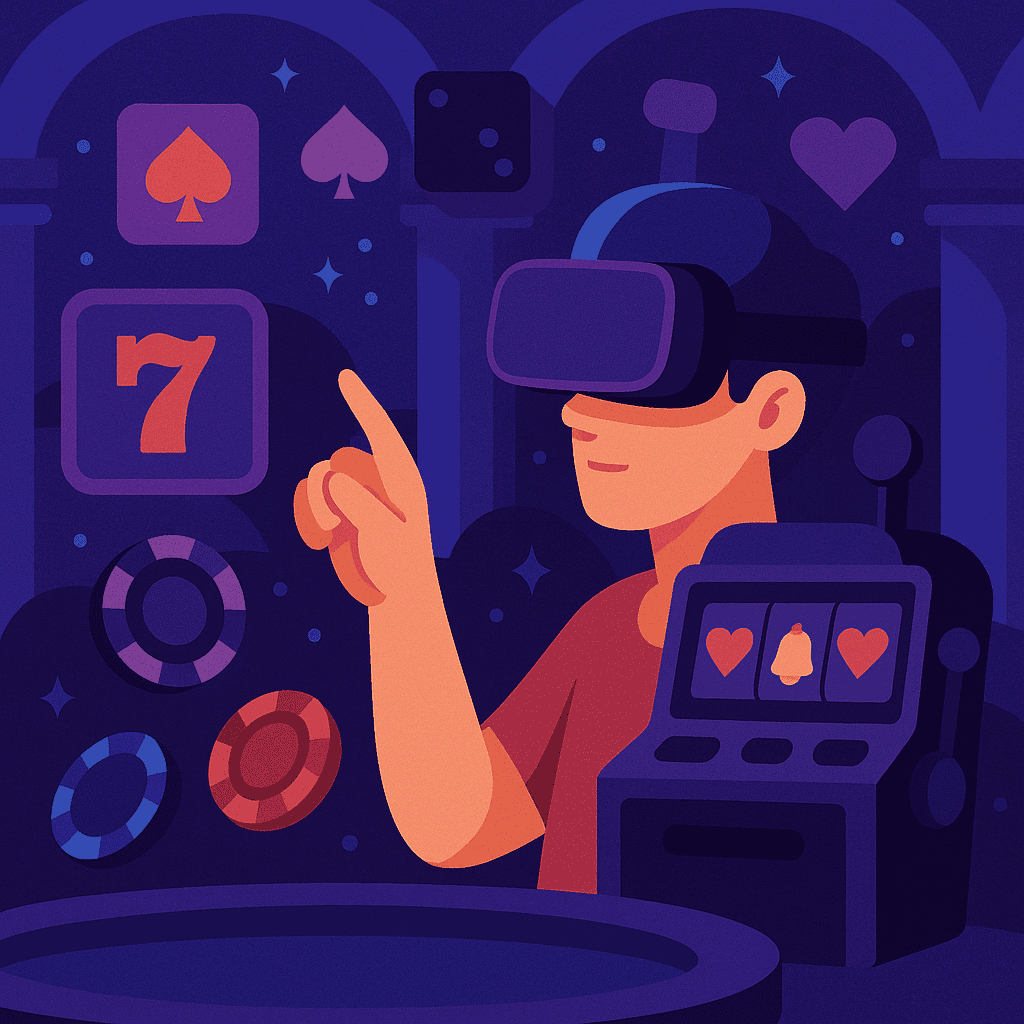
Virtual reality casinos aim to simulate a physical casino experience as closely as possible. Unlike traditional online platforms that rely on flat interfaces, VR brings spatial immersion and interactivity.
- Players can move around a 3D environment, interact with avatars, and even hear ambient sounds like chips clinking or conversations
- Games are designed with depth and tactile feedback in mind, offering a much stronger sense of presence
- Features such as gesture-based controls and voice chat blur the line between gaming and social interaction
This heightened realism enhances user engagement and potentially increases time spent within platforms.
Barriers to Mass Adoption
While the idea is compelling, widespread adoption faces several obstacles. The biggest is hardware.
- VR headsets are still considered luxury gadgets, and their penetration rate among regular online casino users is low
- Developing and maintaining high-quality VR environments requires significant investment and technical expertise
- Regulatory bodies have yet to clearly define standards for fairness, user protection, and identity verification in VR settings
Until these issues are addressed, VR casinos will likely remain a niche segment.
How Operators Are Experimenting
Despite the limitations, some casino brands have started testing the waters.
- VR poker rooms and roulette tables are being rolled out by tech-forward operators
- Hybrid formats are emerging, where VR is layered over existing game mechanics rather than replacing them completely
- Partnerships with VR device manufacturers and metaverse platforms hint at strategic long-term bets
These early projects serve as testbeds, gauging user interest and technical feasibility before broader deployment.
What the Future Holds
The next phase of growth will depend on a mix of user demand, hardware accessibility, and software innovation. As VR headsets become lighter, cheaper, and more powerful, it is plausible that VR casinos could evolve from a novelty to a standard format.
Developers will also need to solve UX problems like motion sickness and device overheating, while regulators must find ways to adapt compliance frameworks to 3D environments.
Ultimately, the virtual casino of the future may not just replicate reality but enhance it.