Understanding why players make certain decisions in online casinos requires more than just data analysis. Behavioral psychology plays a central role in shaping user activity, from how long they play to how much they’re willing to spend.
How Emotions Drive Decisions
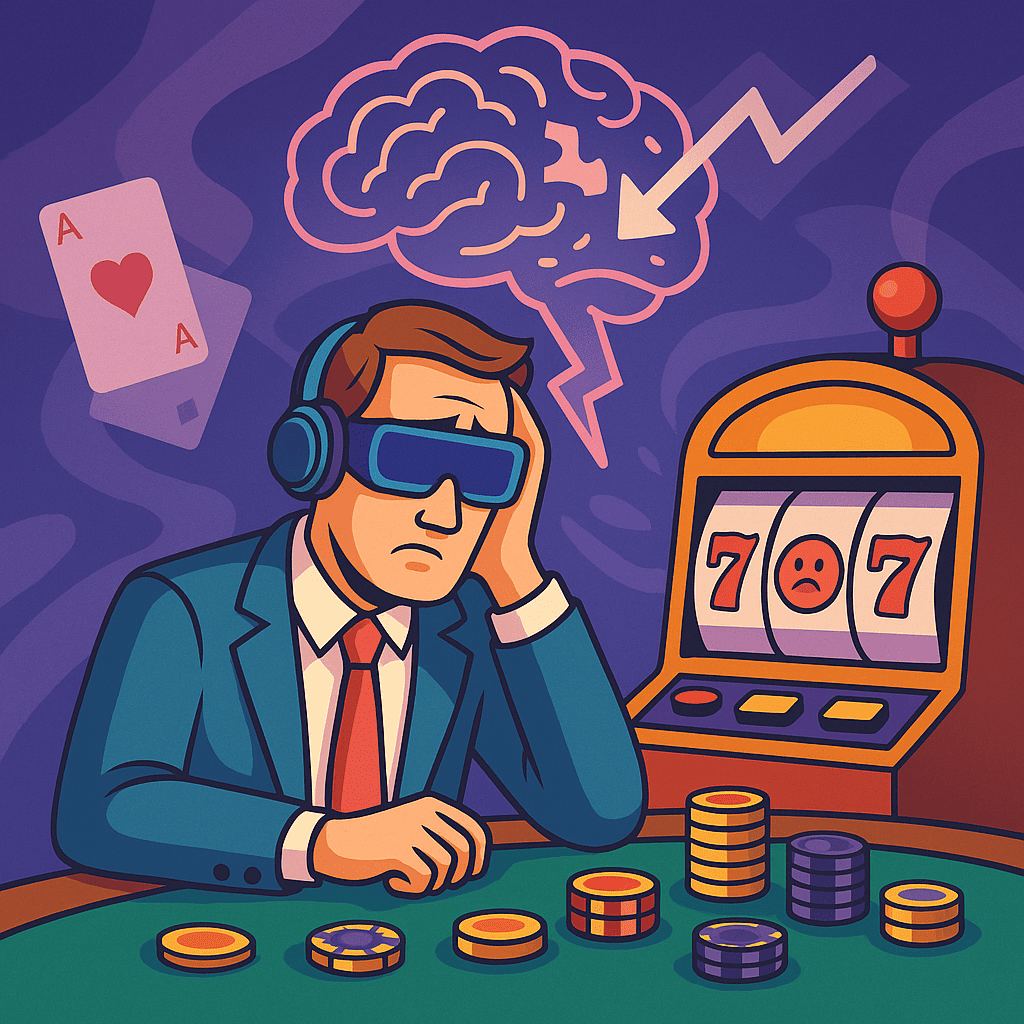
Players rarely act with complete rationality. Emotional states heavily influence their behavior, especially under pressure or excitement.
Positive emotions like joy and anticipation often push users to keep playing, even after consecutive wins. This is known as the “hot hand fallacy,” where a player believes a winning streak will continue.
On the flip side, negative emotions such as frustration or disappointment can lead to chasing losses. This emotional feedback loop is one of the most common reasons users exceed their limits.
Illusions of Control and Skill
Another common cognitive distortion is the illusion of control. Players often believe they can influence outcomes, even in games of pure chance. Tapping the spin button at a precise moment or choosing specific numbers creates a false sense of strategy, reinforcing risky behavior.
This sense of agency is particularly effective in games with rapid cycles like slots or roulette, where the outcome appears to respond to user actions.
Game Design and Conditioning
Casino interfaces are intentionally designed to reward persistence. Sounds, colors, and animations serve as reinforcement mechanisms, similar to operant conditioning in psychology.
Even near misses (outcomes that almost lead to a win) are deliberately programmed to create tension and hope, increasing time-on-site and bet frequency. These subtle nudges don’t just entertain; they manipulate.
The Role of Risk Perception
How players assess risk is rarely based on logic. Small losses feel more tolerable when spread over multiple sessions. Similarly, large wins are remembered more vividly than frequent smaller losses, skewing the player’s perception of profitability.
Bonuses and free spins add another layer of distortion. Although marketed as rewards, they encourage longer play without users realizing they are increasing their overall spend.
Psychological Profiles and Segmentation
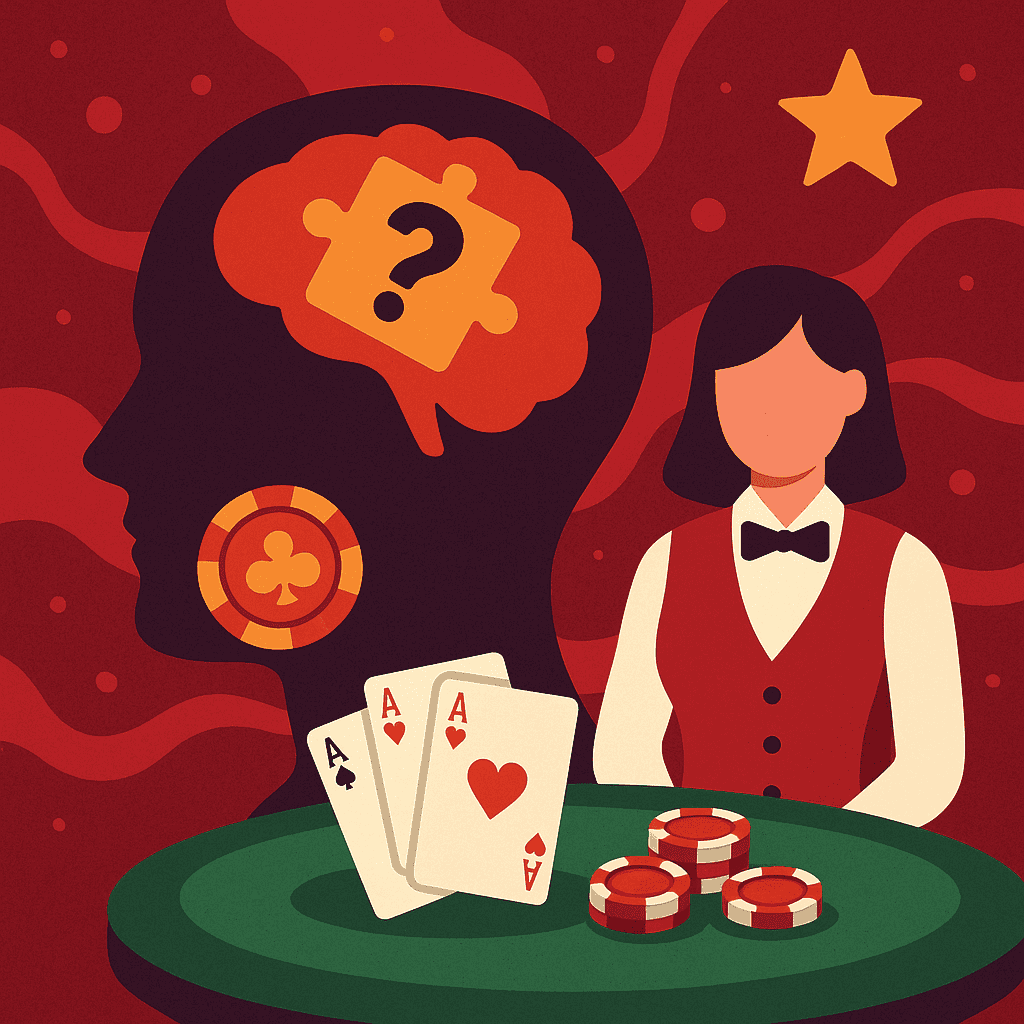
Not all players behave the same way. Psychographic segmentation helps platforms tailor experiences to personality types: some chase adrenaline, others prefer slow-paced strategy.
Understanding these profiles allows operators to adjust offers, visuals, and mechanics to match psychological triggers making marketing efforts more efficient and user engagement more persistent.
Conclusion
The design of an online casino is as much about psychology as it is about entertainment. Recognizing the mental shortcuts and emotional traps users fall into offers insight into player behavior and raises important ethical questions for operators.